

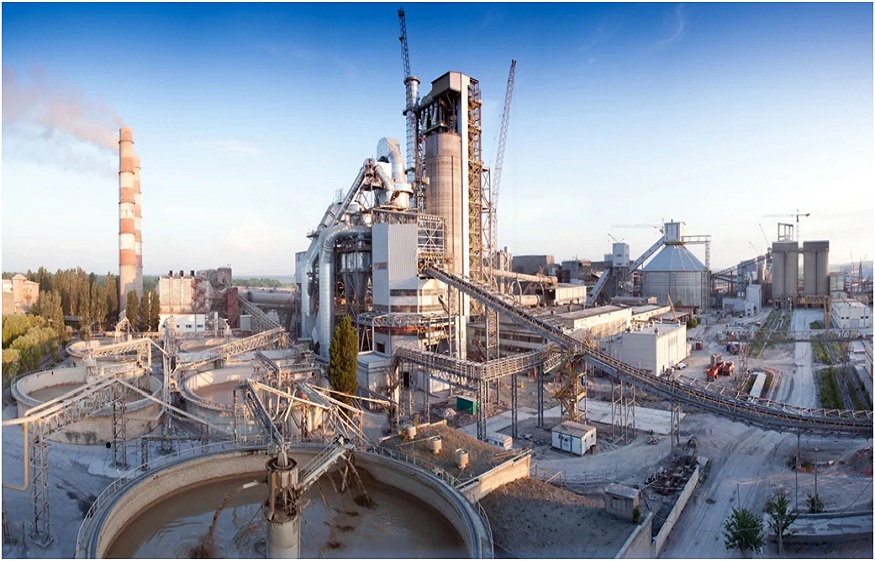
The cement industry operates across a complex value chain that includes mining, raw material processing, manufacturing, quality control, maintenance, and distribution. Managing these activities efficiently can be challenging, particularly as producers work to improve productivity, control energy costs, maintain consistent product quality, and reduce environmental impact.
ERP for the cement industry helps connect business and operational information, giving manufacturers a clearer view of performance and supporting more informed decisions. Ramco Systems offers cement-focused digital solutions designed to support integrated operations, plant data management, process optimization, and smarter manufacturing.
Why Cement Manufacturers Need Industry-Specific ERP
Cement production involves interconnected processes where a change in one area can affect costs, output, quality, and delivery. Disconnected systems and manually prepared reports can make it difficult for teams to access timely, reliable information.
An industry-focused ERP solution can help cement manufacturers:
- Improve visibility across plant and business operations
- Connect operational data with enterprise processes
- Monitor productivity, quality, and costs
- Support coordination between departments and locations
- Make information more accessible for analysis and decision-making
- Identify opportunities to improve resource and energy efficiency
The right solution should reflect the manufacturer’s operating model, existing systems, reporting needs, and digital transformation priorities.
Ramco Systems’ Cement Digital Solutions
Ramco Systems brings more than 35 years of experience in operating vertically integrated cement plants, according to the company. Its cement digital solutions combine ERP capabilities with tools for process optimization, plant data management, and digitalization.
The suite is designed to help manufacturers make operations more connected, productive, and sustainable.
1. Process Optimization with Optima ProcessSuite
Cement manufacturers need to manage processes such as grinding, milling, and pyro-processing while balancing throughput, product quality, energy use, and equipment performance.
Ramco’s Optima ProcessSuite is an AI/ML-enabled expert optimizer designed to support strategic execution and optimization of these processes. It can operate as a self-optimizing model to help minimize process variations. When integrated with ERP systems, it can support real-time monitoring and optimization of operational processes.
Potential benefits include:
- Improving throughput and yield
- Reducing variability in key process parameters
- Managing energy costs
- Supporting longer asset life
The actual impact depends on plant conditions, configuration, integration, and implementation.
2. Consistent Quality with Optima BlendX
Raw material blending plays an important role in cement quality. Manufacturers must account for chemical constraints, process limitations, material costs, and handling delays when planning blends.
Read More: What Investors Can Learn From a Company’s Competitive Position
Ramco Optima BlendX monitors relevant parameters in real time and is designed to optimize blending across production stages. The solution integrates with laboratory equipment and process control systems and uses a model predictive control engine developed in collaboration with 2-control ApS.
Its stated capabilities include helping manufacturers:
- Maintain consistent product quality
- Improve the use of alternate fuels
- Enhance energy efficiency
- Support more efficient use of mines
- Reduce operational costs and the risk of product rejection
These outcomes depend on the quality of input data, process integration, and operating conditions.
3. Reliable Operational Information with Plant Data Management
Plant teams often need to gather information from multiple systems before they can assess performance. Extracting data manually and preparing spreadsheets can delay analysis and make it harder to maintain consistent reporting.
Ramco Plant Data Management (PDM) is designed to connect data sources and provide reliable, timely information through customizable dashboards and analytics.
Key capabilities include:
- Connecting disparate data sources to a shared digital backbone
- Acquiring and managing plant data
- Supporting legacy-system integration through field integrators
- Providing log reports and interactive dashboards
- Making information accessible through smartphones, tablets, and desktops
A shared view of plant information can help teams monitor KPIs and investigate operational issues more efficiently.
4. Connected Operations with Smart Plant Systems
Ramco Smart Plant brings together ERP modules, Advanced Process Control, and Plant Data Management. It can also interface with systems such as data lakes, Laboratory Information Management Systems (LIMS), Energy Management Systems (EMS), and Manufacturing Execution Systems (MES).
By combining operational data with analytics and business information, Smart Plant is designed to support predictive outcomes and business intelligence.
Areas of focus include:
- Productivity and operational efficiency
- Overall Equipment Effectiveness (OEE)
- Energy management
- Maintenance and operational cost efficiency
- Product quality and traceability
- Health, safety, environment, and regulatory compliance
The value of these capabilities depends on how well the connected systems reflect the manufacturer’s processes and data requirements.
Auditing and Consulting for Cement Operations
Digital tools are only one part of improving cement plant performance. Manufacturers may also need operational expertise to assess processes, identify constraints, and establish improvement priorities.
Ramco’s listed consulting and support services include:
- Operations and maintenance
- Auditing
- De-bottlenecking
- Performance enhancement
- Asset management
- Training
These services can help organizations evaluate operational challenges and determine where process changes or digital solutions may be useful.
What to Consider When Choosing ERP for the Cement Industry
Before selecting an ERP solution, cement manufacturers should evaluate how well it supports their operational and business needs.
Integration with Existing Systems
Assess whether the solution can connect with plant control systems, laboratory applications, weighbridges, GPS, and other relevant platforms. Confirm which integrations are available and whether additional work is required.
Operational and Business Visibility
Review how the system consolidates information and supports dashboards, reporting, and KPI monitoring across plants and business functions.
Process and Quality Requirements
Consider whether the solution supports the manufacturer’s production processes, quality controls, raw material constraints, and traceability requirements.
Mobility and User Access
Determine how plant personnel, managers, and other users can access information, including through mobile devices, and how access is controlled.
Implementation and Support
Clarify the implementation approach, data migration requirements, training, ongoing support, and responsibilities for maintaining integrations.
Measurable Business Objectives
Define the outcomes the organization wants to improve—such as throughput, energy consumption, quality consistency, reporting speed, or equipment effectiveness—and establish how progress will be measured.
Ramco Systems and Cement Industry Digital Transformation
Ramco’s cement digital solutions are intended to help manufacturers connect enterprise systems with plant operations and use operational data to support continuous improvement. The company’s customer example, Eagle Cement Corporation, describes using Ramco ERP and HCM alongside integrations with systems such as LIMS, truck scales, RTI automation, and GPS. The customer also highlights vendor and customer portals, mobile access, dashboards, and reporting as part of its digital transformation.
This example illustrates how cement manufacturers may connect operational and business systems to improve transparency and access to information. Each organization should assess the relevance of these capabilities to its own requirements.
Conclusion
ERP for the cement industry can help manufacturers bring business and plant information together, improve operational visibility, and support decisions around productivity, quality, energy use, and sustainability. Solutions that combine ERP with process optimization, plant data management, and connected manufacturing systems can provide a foundation for broader digital transformation.
Ramco Systems offers a cement-focused suite that includes Optima ProcessSuite, Optima BlendX, Plant Data Management, Smart Plant Systems, and consulting services. Cement producers evaluating the solution should map its capabilities to their specific processes, integration needs, and measurable business goals.
Frequently Asked Questions
What is ERP for the cement industry?
ERP for the cement industry is software that helps manage and connect business and operational information across activities such as manufacturing, quality, maintenance, inventory, and distribution. Industry-focused solutions may also integrate with plant systems and operational data tools.
Why do cement manufacturers require ERP software?
Cement manufacturers manage complex, interconnected processes and need timely information about production, quality, costs, and distribution. ERP can help improve visibility, coordination, reporting, and decision-making.
What are key features of ERP software for cement manufacturing?
Relevant capabilities may include integration with plant and laboratory systems, operational dashboards, data management, quality and traceability support, mobile access, and connections to process optimization tools.
How can ERP support strategic decision-making in the cement industry?
By bringing business and operational information into a more consistent view, ERP can help managers monitor KPIs, identify trends, investigate performance issues, and assess improvement opportunities. The usefulness of the insights depends on data quality and system integration.
What should cement companies assess before implementing ERP?
Companies should review process fit, integration requirements, data readiness, reporting needs, user access, implementation scope, training, support, and the metrics they will use to evaluate results.