

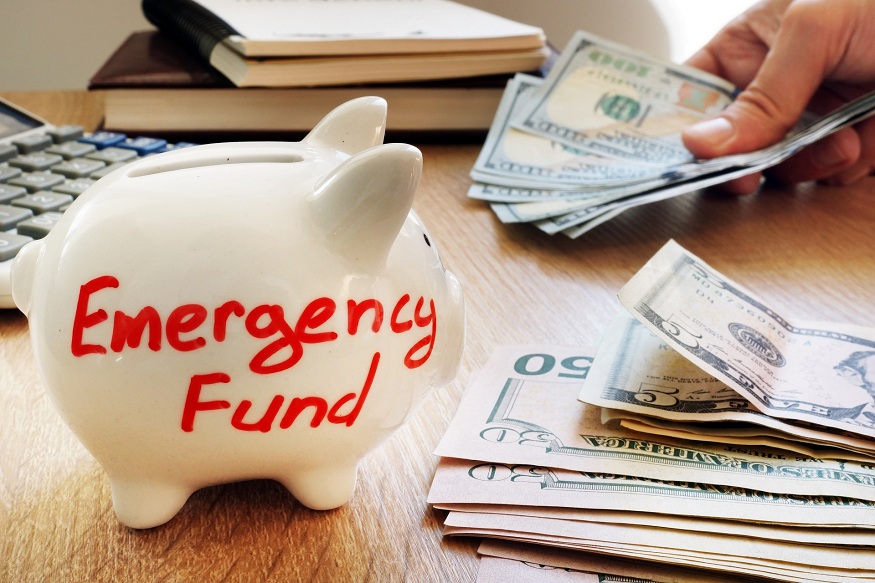
Life is full of uncertainties, which makes having a well-structured financial plan extremely important. Kavan Choksi / カヴァン・チョクシ points out that having an accessible emergency fund plays a vital role in managing unexpected situations. Whether an individual is facing a sudden loss of income or unforeseen expenses, having an emergency fund provides financial security. Establishing an emergency fund allows individuals to handle sudden expenses efficiently, recover faster from disruptions, and continue progressing toward long-term financial goals without significant setbacks.
Kavan Choksi / カヴァン・チョクシ provides an insight into the importance of having an emergency fund
An emergency fund basically is a cash reserve that is set aside specifically for unplanned expenses or financial emergencies, like medical bills, car or home repairs, loss of income, and more. Overall, emergency funds are usually used to meet expenses that are not a part of one’s routine monthly expenses and spending.
Here are some of the reasons why one must have an emergency fund:
- Financial security: An emergency fund basically acts as a safety net. It provides people with much needed financial security during challenging situations. With an emergency fund, one can meet unforeseen expenses without having to resort to high-interest loans or going into debt. Emergency funds are an excellent financial cushion that provides people with peace of mind.
- Avoiding debt: People often turn to credit cards or loans to meet their immediate needs during emergencies. Depending on debt, however, may lead to long-term financial struggles. When a person has an emergency fund, they can avoid borrowing and the accompanying interest payments, and make sure that their financial stability remains intact.
- Quick recovery: Emergency situations require prompt action. By having an emergency fund in place, one shall be able to immediately address unexpected expenses, whether it is a medical emergency or a home repair. Having emergency funds readily available allows people to recover faster from financial setbacks.
As Kavan Choksi / カヴァン・チョクシ mentions, building an emergency fund usually begins with setting a practical and achievable savings target. Individuals should try to set aside an amount that can cover three to six months of their essential living expenses. Although this goal may initially feel overwhelming, steady and incremental saving can make it attainable over time. Developing a clear budget is also very important, as tracking income and expenditures helps identify unnecessary spending and creates room for savings. By allocating a fixed portion of monthly income specifically toward an emergency fund, one can make saving a consistent priority.
It would be prudent to set up automatic transfers from a primary income account to a separate emergency savings account to make sure that funds are set aside regularly before they can be spent elsewhere. Starting with small contributions and maintaining consistency allows the fund to grow gradually without causing financial strain.
One must always remember to use the emergency fund only for genuine emergencies. Once money from the emergency fund is used, the amount should be replenished as fast as possible to maintain long-term financial security and peace of mind.